
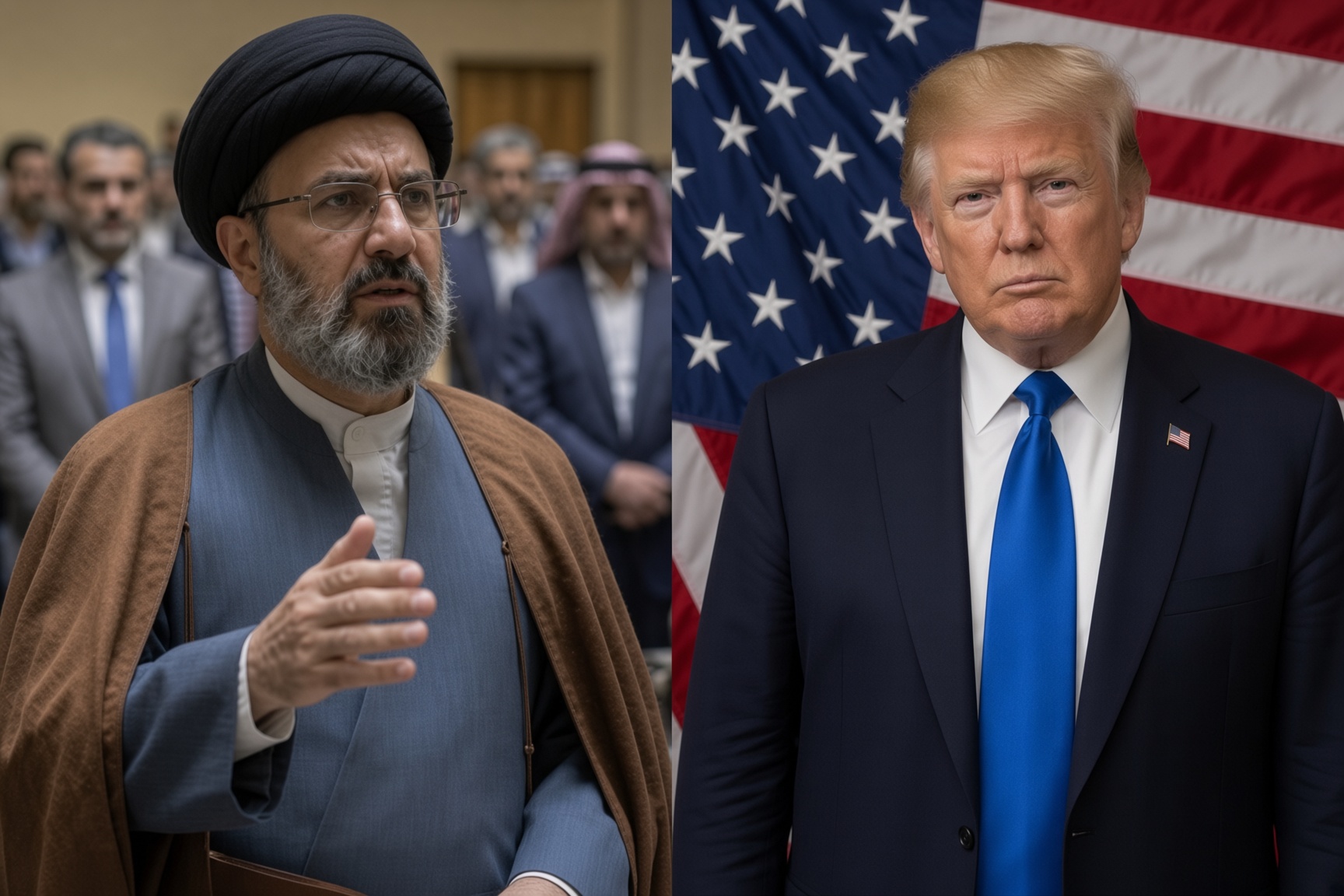
The United States has launched military strikes against Iranian facilities while diplomatic negotiations continue in Qatar over a potential Iran nuclear deal, raising the stakes in tense talks between Washington and Tehran.
- U.S. Central Command announced ‘self-defense strikes’ targeting Iranian missile facilities and naval vessels in southern Iran
- The operation focused on areas near Bandar Abbas, a key Iranian naval hub, according to military officials
- American forces said they faced threats from Iranian surface-to-air missile systems operating near the Gulf of Oman
- Despite military action, Iran nuclear deal negotiations continue in Qatar with both sides claiming progress
- Trump administration seeks stricter restrictions on Tehran’s uranium enrichment than the 2015 Obama-era agreement
US Military Action Escalates Tensions
Captain Tim Hawkins of U.S. Central Command confirmed the strikes were designed to neutralize threats to American personnel and assets. The operation targeted what officials described as Iranian efforts to deploy naval mines along critical maritime shipping lanes.
‘We conducted these strikes in self-defense to protect our forces and maintain regional stability,’ a senior defense official told MailOnline. The strikes involved both aircraft and naval forces operating across the Arabian Sea and Gulf of Oman region.
Diplomatic Talks Push Forward Despite Military Strikes
In a stunning show of resilience, negotiators from both nations remained seated across from each other in Doha despite the military escalation. Iranian Foreign Ministry spokesperson Esmaeil Baqaei insisted that dialogue channels remain open and productive.
‘We have achieved areas of understanding, but a final agreement has not yet been reached,’ Baqaei said, adding that Washington had shifted positions on key issues. The Iranian official warned that any deal must address Tehran’s core security concerns.
Trump’s Vision for Iran Nuclear Deal
President Trump declared he expects any future Iran nuclear deal to be ‘good and proper,’ while continuing to lambast the 2015 Joint Comprehensive Plan of Action (JCPOA). Trump has consistently argued the previous accord was dangerously flawed.
‘The Obama deal was a disaster that rewarded Iran without guarantees,’ Trump stated. He has demanded a more comprehensive agreement with tougher enforcement mechanisms and longer-term restrictions on Tehran’s nuclear program.
Key Sticking Points in Iran Nuclear Deal Negotiations
According to U.S. administration sources, negotiators have drafted a framework requiring Iran to eliminate its highly enriched uranium stockpile and accept permanent limits on enrichment activities. In exchange, Washington would lift its naval blockade and gradually reduce punishing economic sanctions.
The proposed Iran nuclear deal would also require Tehran to reopen the strategically vital Strait of Hormuz, through which roughly one-third of global maritime oil trade passes. Officials described this maritime access as non-negotiable for Western interests.
Technical Details Remain Unresolved
While major political principles appear settled, significant hurdles remain on the table. Verification procedures, enforcement mechanisms, and technical compliance measures continue to divide the two sides at the negotiating table.
‘Washington’s absolute priority is a verifiable agreement with teeth,’ a senior U.S. administration official explained to MailOnline. ‘We need ironclad mechanisms to ensure Iran never crosses the nuclear threshold.’
U.S. officials believe recent military pressure has made Iran more willing to negotiate seriously. The administration argues that demonstrating military capability while pursuing diplomacy sends a clear message about Washington’s resolve and commitment to preventing Iranian nuclear proliferation.
What A Deal Would Mean
If completed, the Iran nuclear deal framework would impose stricter limits on Tehran’s nuclear activities than the 2015 accord. American negotiators have specifically pushed for longer timelines before sanctions relief and more intrusive international inspections.
The Trump administration views this comprehensive approach as essential to ensuring regional stability and preventing a potential nuclear arms race in the Middle East. Officials remain cautiously optimistic that a deal remains achievable within weeks.
Source: CelebBNews.info