
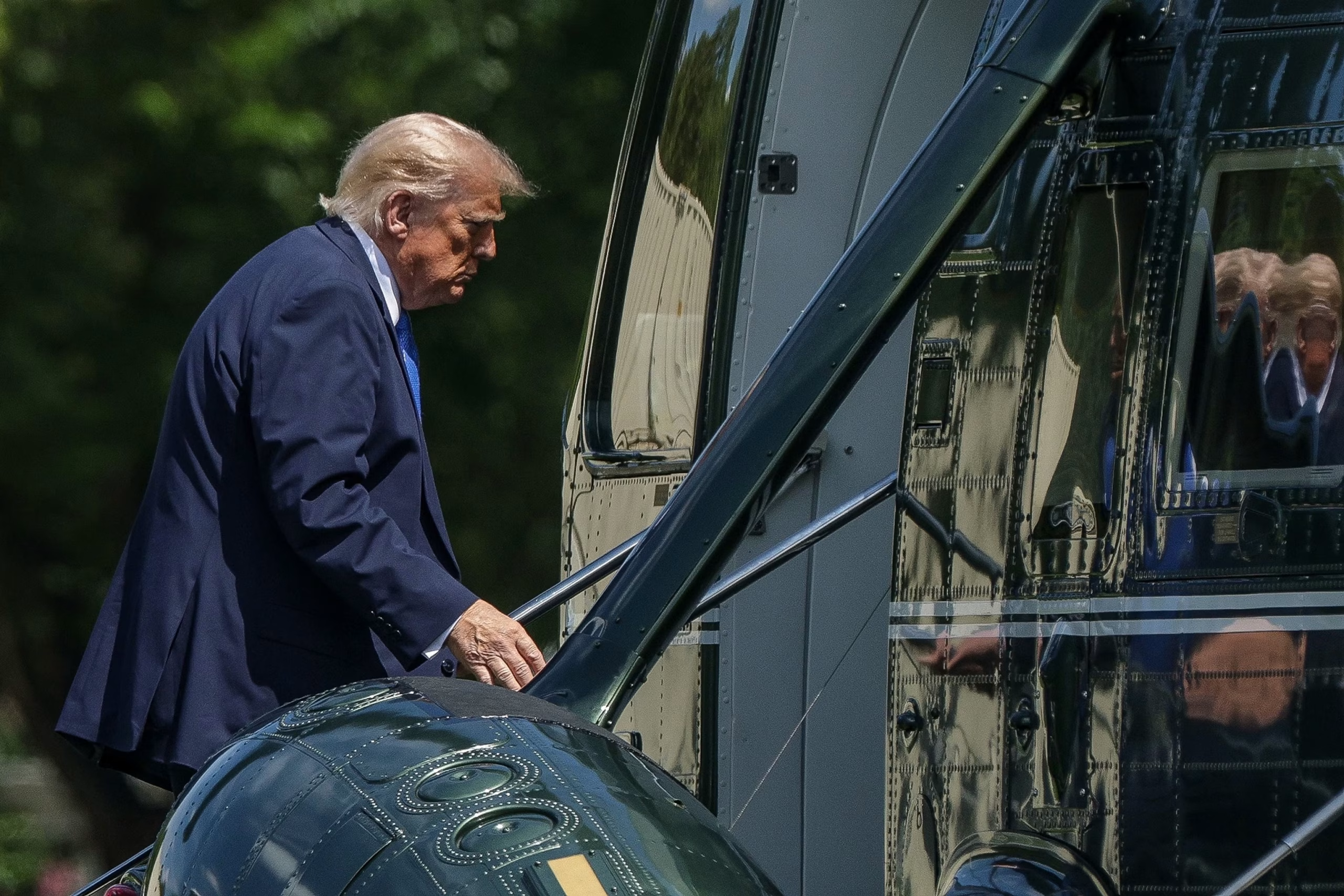
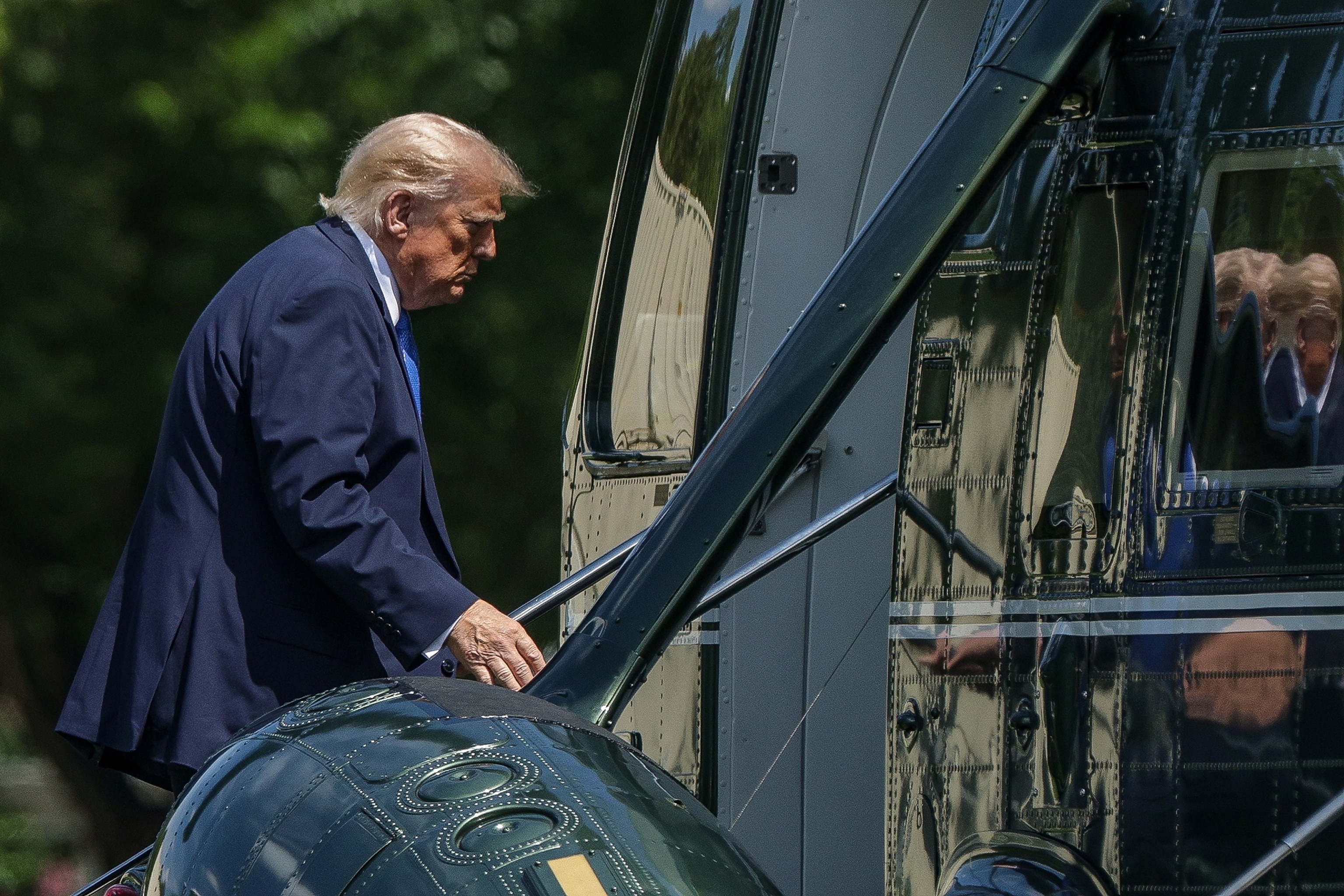
Aviation officials are investigating an air traffic safety incident involving the Marine One presidential helicopter carrying President Donald Trump that occurred near Washington, D.C., on Tuesday.
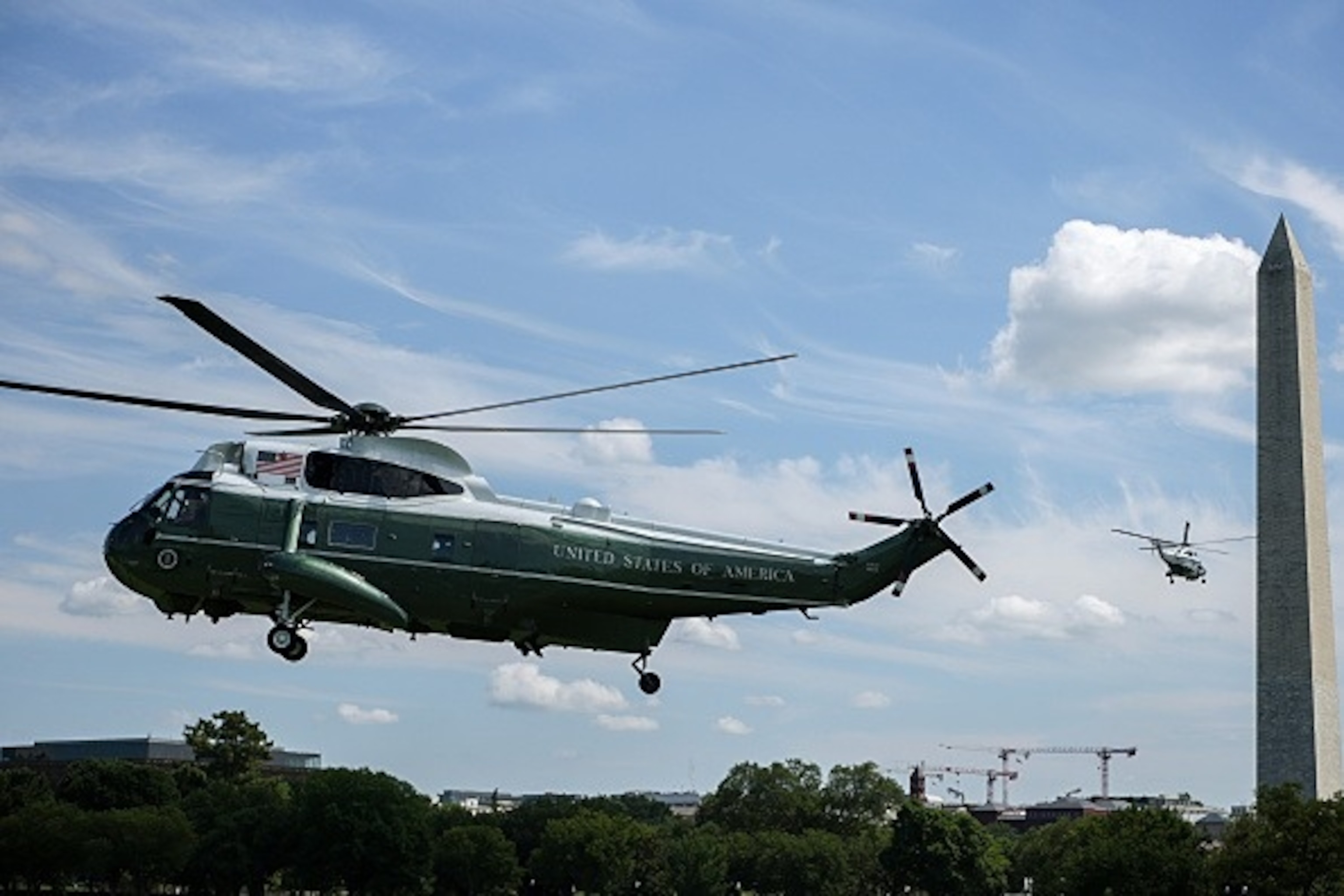
The incident took place around 2:30 p.m. ET as Marine One lifted off from the Ellipse near the White House and headed to Joint Base Andrews in Maryland. The president was beginning the first leg of a trip to the West Coast when the incident occurred.

What Happened
During Marine One’s departure, commercial air traffic at nearby Ronald Reagan Washington National Airport was not halted as required by established safety protocols. Standard procedures mandate that air traffic controllers pause all other operations three minutes before Marine One takes off.
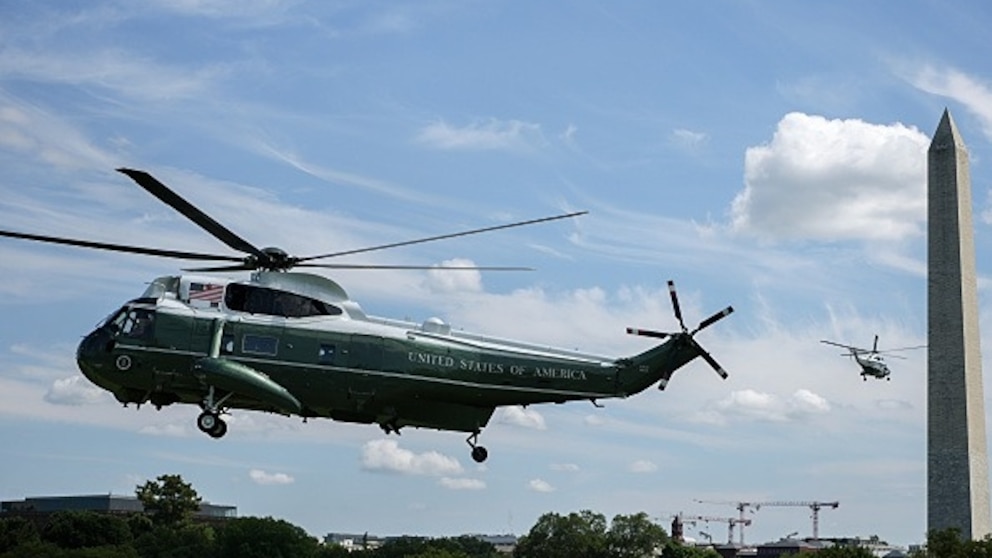
According to an air traffic communication recording, Marine One notified controllers of the imminent takeoff, but the controller did not receive the transmission because another pilot was speaking on the frequency simultaneously. The Federal Aviation Administration reported a “momentary loss of separation” between Marine One and an American Airlines regional carrier flight departing from the airport.
FAA regulations require commercial aircraft to maintain a minimum of 1.5 miles horizontal separation and 500 feet vertical separation from helicopters operating near the airport. The American Airlines flight never approached a dangerous distance from Marine One, the FAA stated.
The Response
“Marine One flights are piloted by some of the best aviators in the world, and at no point was the President in harm’s way,” the White House said in a statement Wednesday.
The National Transportation Safety Board and FAA are conducting a preliminary safety review of the incident. “Based on our preliminary safety review, there was momentary loss of separation after which the aircraft continued to move away from one another,” the FAA said. “The air traffic controller was in contact with both the commercial pilot and Marine One pilot during the loss of separation.”
The FAA indicated it will implement corrective actions based on its findings from the ongoing investigation.
This story has been updated. CNN’s Aviation Safety Desk contributed to this report.