
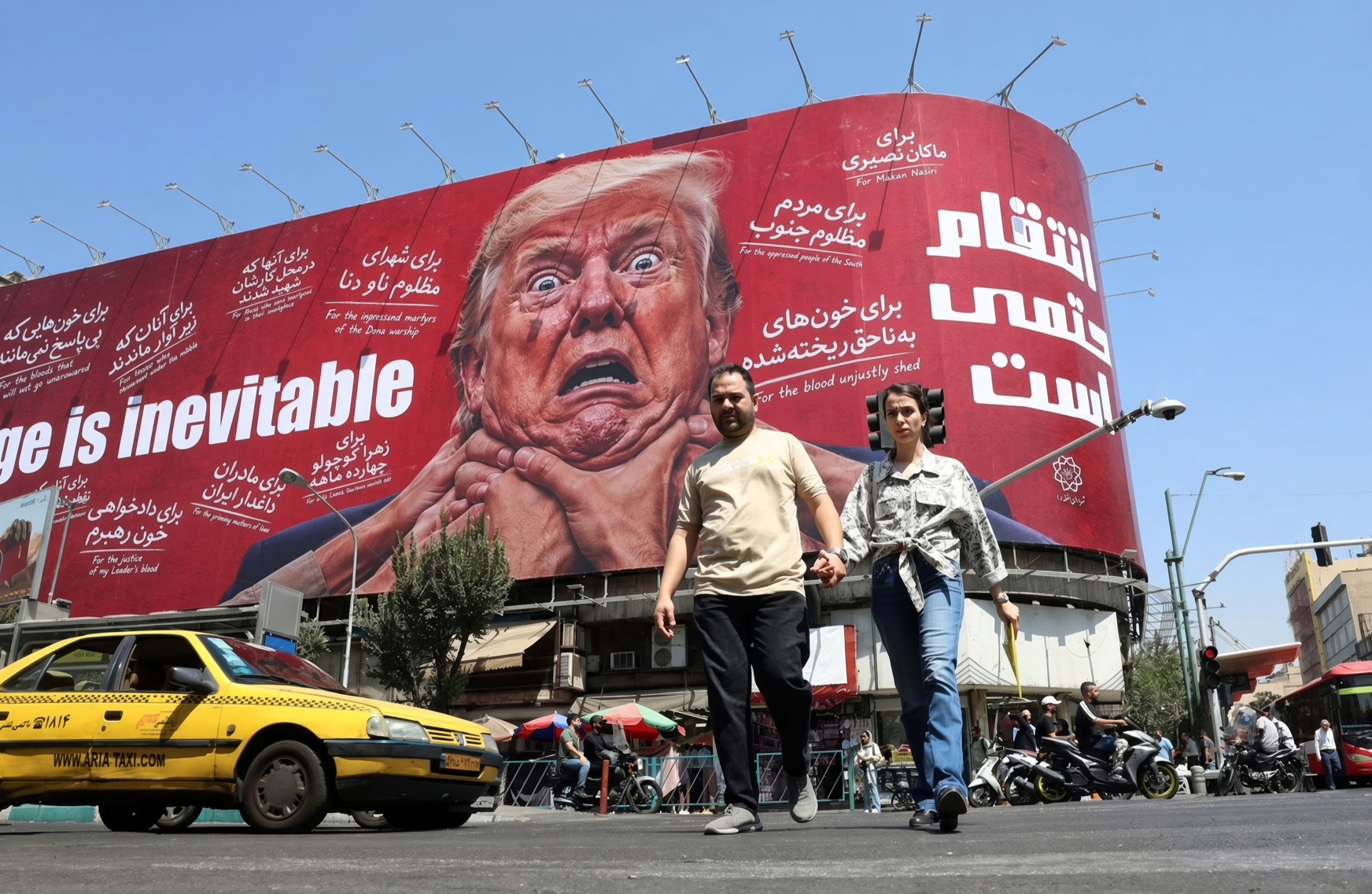
The embattled Islamic Republic has warned of “seismic” consequences if the US pushes ahead with its plans to choke Iran’s economy
ran has issued a chilling warning against its regional neighbors over US attempts to pressure Tehran’s economy.
Mohsen Rezaei, the embattled country’s newly appointed head of the Supreme National Security Council, threatened a “seismic” retaliation if the US pushed ahead with its plans while accusing Washington of destabilizing global nuclear security through a prolonged war.
It comes as Egypt works to restart diplomatic talks between Iran and the United States.
“If (Trump) wants to do something, we will retaliate in a seismic manner,” he stated during an interview with the state broadcaster IRIB that was broadcast Saturday.
He received his appointment this month as part of senior leadership changes broadly understood to be strengthening Tehran’s political and military position. His statement represents his most comprehensive public remarks since assuming the role.

“Any country participating in the imposition of economic restrictions against us is considered an enemy.”
Rezaei indicated Iran would strike at oil-shipping corridors from the Persian Gulf should neighboring nations align with what he characterized as economic warfare against Iran. Such neighbors would be deemed adversaries and “we will target their interests,” he warned.
He also threatened to attack US interests directly.
“So far, we have only targeted military bases, but if they want to impose economic sanctions on us, the United States has oil and economic companies around Iran and elsewhere, and we will strike them,” Rezai warned.
Over the past week, US President Donald Trump has pledged to intensify pressure on Iran through an “unprecedented” campaign of economic warfare and international isolation, despite Iran having endured years of sanctions.
Rezaei disclosed that negotiations with Oman, which is on the opposite side of the Strait of Hormuz, regarding its management are still underway, with plans to introduce transit fees. Iran seized control of what had long been regarded as an international waterway shortly after a joint US and Israeli strike on February 28.
Rezaei further committed to overhauling Iran’s diplomatic approach and bolstering capabilities for what he described as the next conflict.
He cautioned the US against deploying additional military forces to the region, arguing that Washington has undermined global nuclear security by demonstrating that compliance with international monitoring agreements, as Iran has pursued, offers no guarantee of protection from military strikes.