
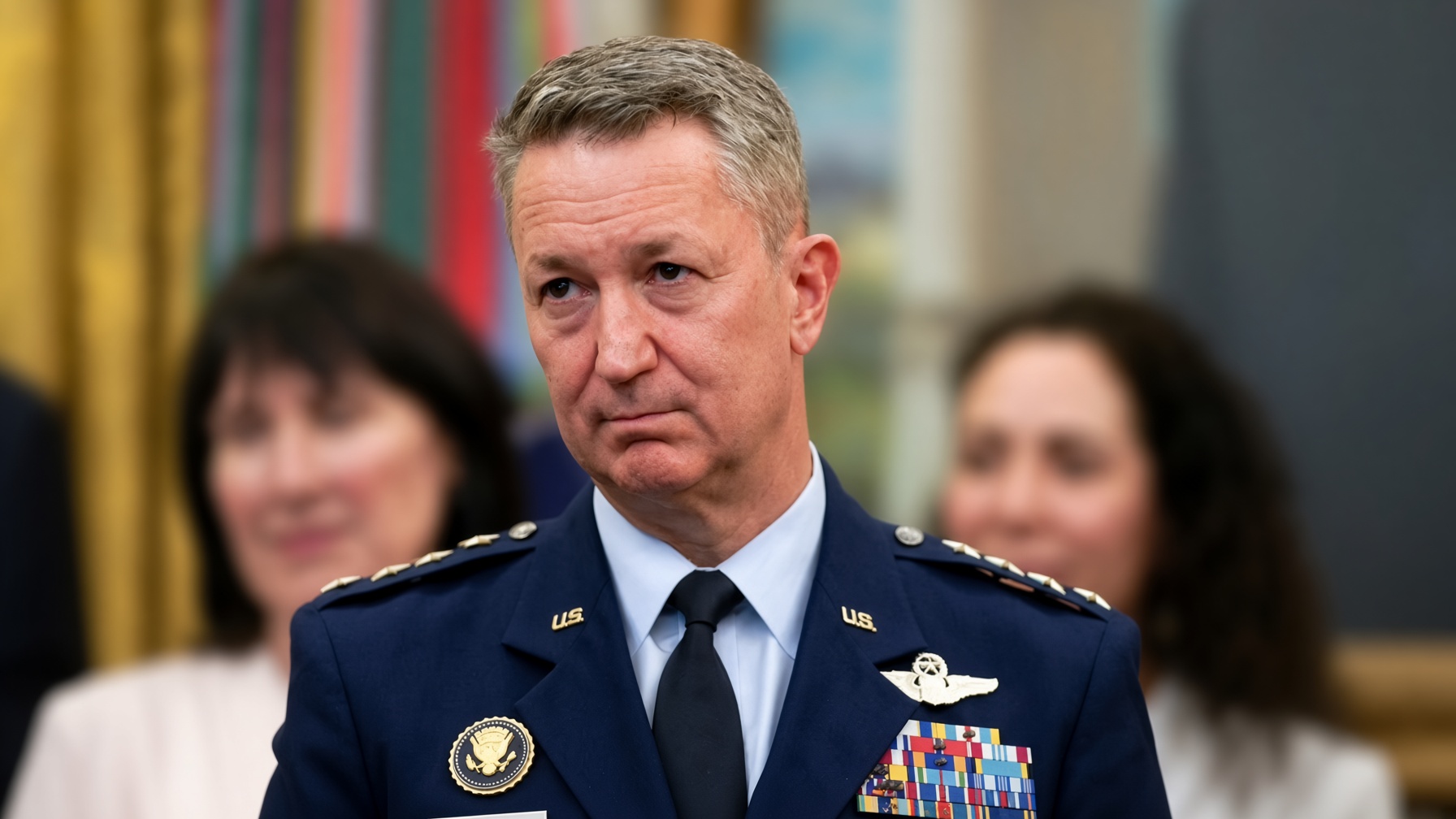
Gen. Dan Cain warns Trump the Iran war could backfire, urging an “off ramp” as regional alliances shift and tensions spike
Gen. Dan Cain, the chairman of the Joint Chiefs of Staff, has privately warned senior advisers close to President Donald Trump that the U.S. should be searching for a path to de-escalate its war with Iran, cautioning that a bigger fight could quickly turn against Washington, according to CNN.
A source familiar with the conversations summed up Cain’s position in stark terms, telling the outlet: “Cain is looking for an off ramp.”
The core of his message, as described in the report, is that ratcheting up pressure carries real risks and that airstrikes by themselves are unlikely to accomplish Trump’s stated goals in Iran without triggering wider consequences across the region.
Those concerns are surfacing as the Middle East shows fresh signs of hardening into blocs, with new agreements and expanding flashpoints that could pull additional countries into the confrontation.
New defense pact brings together Saudi Arabia, Pakistan and Turkey
On Friday, Saudi Arabia, Pakistan and Turkey signed a mutual defense agreement, Pakistan’s foreign ministry said. The move links three major regional players: Saudi Arabia, a leading oil exporter with critical energy infrastructure; Pakistan, a nuclear-armed country; and Turkey, a NATO member with the alliance’s second-largest military and a growing domestic arms industry.
Under the agreement, an armed attack on any one of the three nations would be treated as an attack on all of them, according to Pakistan’s foreign ministry. The deal was signed during a meeting in Saudi Arabia attended by Saudi Crown Prince Mohammed bin Salman, Turkish President Recep Tayyip Erdogan, and Pakistan Prime Minister Shehbaz Sharif.
In a statement, Pakistan described the pact as a way to reinforce “collective deterrence” against aggression. The timing is notable: Saudi Arabia has been looking to broaden its defense relationships as its oil sites and other key facilities face heightened threats connected to the Iran war.

A separate U.S. official said Friday that Trump could lift the U.S. blockade of Iranian ports if an acceptable arrangement is reached to reopen the Strait of Hormuz, a vital shipping corridor for global energy supplies.
The official said the administration has heard from regional mediators that talks involving Iran and Oman over the strait could produce a deal within days. The U.S., the official added, would review any proposal from the Iran-Oman discussions before deciding its next steps.
But Washington’s position includes clear limits. The official, speaking anonymously to discuss internal deliberations, said the U.S. would not accept any agreement that allows Iran to impose tolls, charge service fees, or otherwise obstruct the movement of ships.
Meanwhile, the Iran-backed Houthi rebels have intensified strikes linked to the Saudi-led conflict in Yemen. A military official with forces in Yemen’s Marib province said the Houthis launched attacks there