
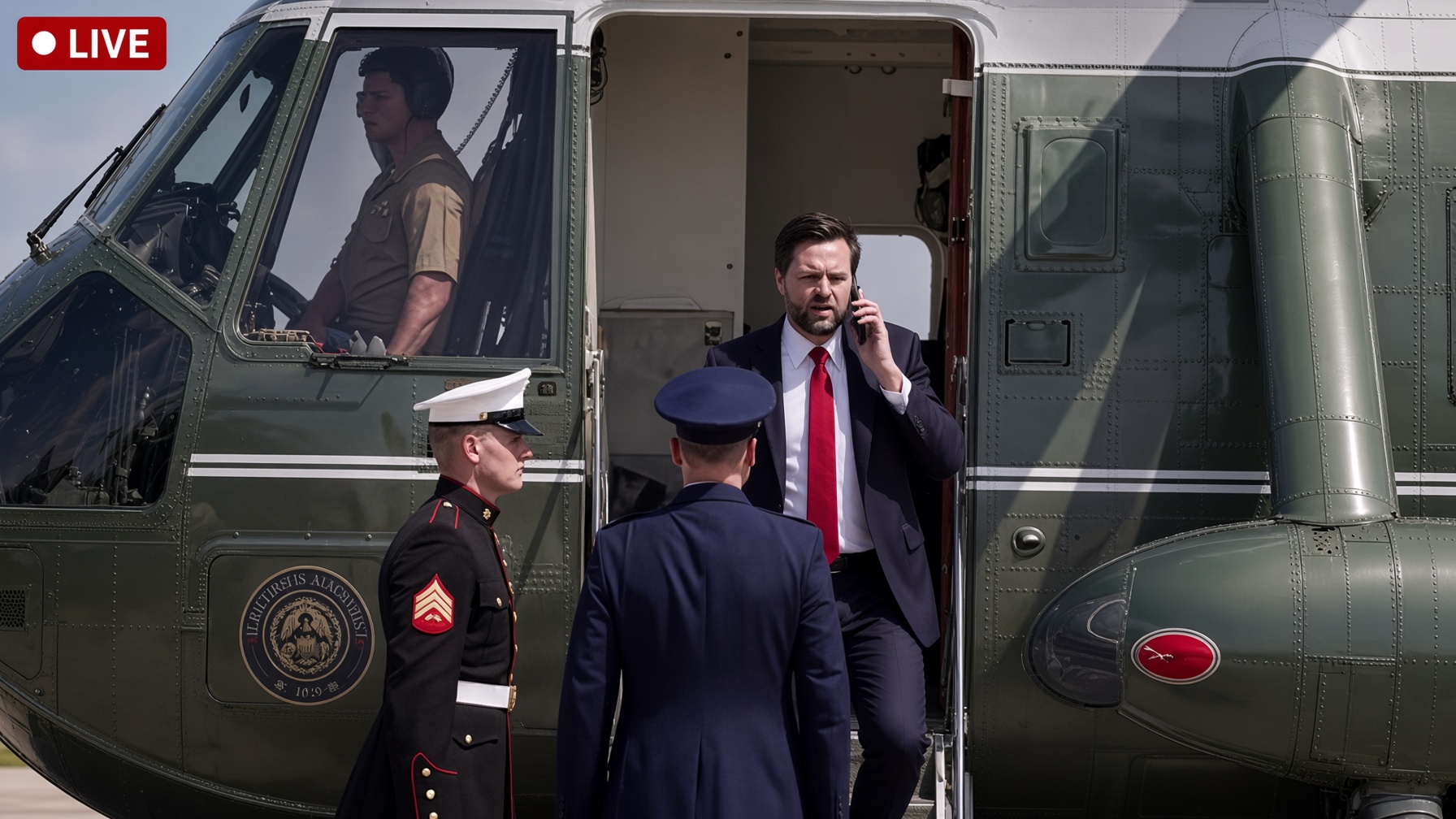
WASHINGTON (CNN) — In a sudden turn of events that threatens to plunge delicate Middle East peace negotiations back into chaos, Vice President JD Vance was abruptly recalled to the White House on Tuesday. The unexpected move halted his planned departure for Islamabad, where he was slated to lead a high-stakes U.S. delegation aiming to de-escalate the ongoing conflict with Iran.
Vance was on the verge of boarding a U.S. government aircraft bound for the Pakistani capital, where American advance teams and local diplomats had spent days making preparation arrangements. However, as doubts mounted over whether Tehran would actually show up to the negotiating table, administration officials pulled the plug on the trip, throwing the immediate future of the diplomatic initiative into deep uncertainty.
High-Stakes Diplomacy Stalls
The potential talks in Islamabad were widely viewed by international observers as a pivotal, higher-level opportunity to forestall a wider regional war. Direct or indirect engagement involving senior leaders from Washington and Tehran carries immense political and security weight. By tapping the Vice President to personally lead the U.S. team, the White House had signaled a willingness to commit top-tier political capital to secure a breakthrough.
Yet, the lack of firm guarantees from Iranian officials regarding their attendance placed the White House in a precarious posture. Sending a sitting Vice President halfway across the world without a confirmed counterpart risked handing Tehran leverage or standardizing high-profile diplomatic failure.
“Navigating engagements of this scope requires total clarity on who is sitting across the table,” noted a senior U.S. official familiar with the deliberations. “Proceeding without guaranteed representation from Tehran risked diminishing the Vice President’s stature and undercutting our broader strategy.”
Reassessing Strategy in Washington
Back at the White House, Vance’s return shifts the focus from external diplomacy to internal strategic alignment. Administration officials now face the complex task of weighing diplomatic potential against growing security risks.
Managing conflict involving Iran requires a calibrated balance of regional deterrence, international coalition building, and direct communication channels. Because conditions on the ground can shift rapidly, new intelligence or changing political stances in Tehran can alter Washington’s tactical calculus within hours. The sudden recall suggests that top national security advisers favored strategic flexibility over adhering to an increasingly uncertain travel schedule.
International stakeholders and regional intermediaries who helped organize the Islamabad framework are now left seeking clarity on Washington’s next steps. While backchannel communications remain open, the momentum behind formal peace talks has stalled.
A Critical Turning Point
The recall underscores both the volatility of the ongoing Middle East crisis and the immense political risks embedded in high-level diplomacy. Until Iran clarifies its intentions or Washington formulates an alternative path forward, attempts to achieve a diplomatic resolution through direct talks in Pakistan remain frozen.