WASHINGTON — House Republican leaders were forced to postpone consideration of a major veterans’ benefits package after divisions within the Republican conference threatened to derail the legislation.
The Take Care of America’s Veterans Act, H.R. 9237, was pulled from the House floor on July 16, 2026, shortly before lawmakers were expected to proceed toward a final vote. The decision came after Republican leaders determined they did not yet have enough support within their narrow majority to move the legislation forward.
The development marked another setback for the sweeping veterans package, which combines more than 60 separate veterans-related measures into a single bill. The legislation includes provisions dealing with health care, caregiver assistance, education, survivor benefits, home loans, mental health programs and other Department of Veterans Affairs policies.
The immediate dispute centered on how some of the bill’s provisions would be funded.
Fight Over Disability Ratings
One of the most controversial elements involves proposed changes to VA disability ratings for tinnitus and obstructive sleep apnea. Supporters of the legislation argue that the package would deliver important new benefits, including provisions associated with the Major Richard Star Act.
Veterans organizations, however, have disagreed sharply over the proposed funding structure.
The Veterans of Foreign Wars has opposed the bill in its current form, arguing that future veterans should not bear the cost of expanding benefits for other veterans through changes to disability compensation. The organization said the proposal could reduce future compensation for veterans with qualifying tinnitus and sleep apnea claims.
The American Legion and other veterans organizations have supported the broader legislation while also addressing concerns surrounding the disability-rating provisions. The American Legion has emphasized that the proposed rating changes originated in a VA regulatory process that began before the veterans package was introduced.
House Vote Falls Short of Moving Bill Forward
Before the bill was pulled, the House narrowly rejected a motion to recommit the legislation to committee. The motion failed by a vote of 210–211, leaving the measure positioned for further consideration.
Instead, House leadership postponed additional proceedings.
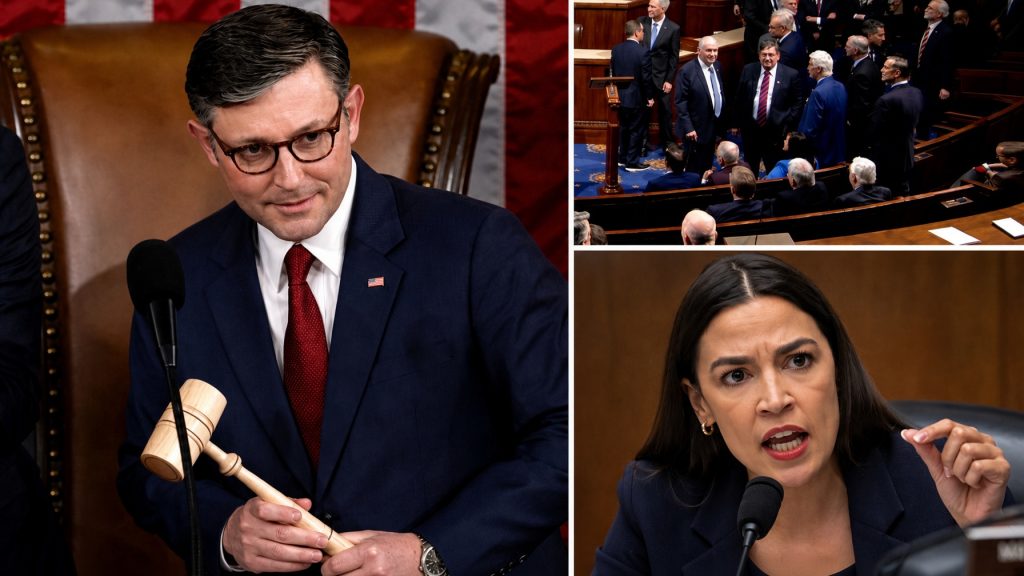
Speaker Mike Johnson said lawmakers needed more time to address what he described as misinformation and disagreements surrounding the legislation. The postponement came after significant debate among lawmakers and veterans’ organizations over the bill’s potential effects.
The narrow Republican majority made the disagreement particularly consequential. With only limited room for defections, opposition from several Republican lawmakers was enough to complicate leadership’s plans.
Veterans Groups Divided
The legislation has exposed an unusual split among veterans service organizations.
Some groups have backed the package because of its proposed expansion of benefits, including support for combat-injured retirees, caregivers, surviving families and other veterans.
Other organizations, including the VFW and Iraq and Afghanistan Veterans of America, have objected to the proposed disability-rating changes and the way the legislation would offset its costs.
The disagreement has continued beyond the House. A Senate effort to advance an alternative version without the disputed funding mechanism was blocked on July 29, according to the Senate Veterans’ Affairs Committee.
What Happens Next
H.R. 9237 has not become law. The House postponed further proceedings after the July 16 dispute, and the legislation has remained the subject of debate over veterans’ benefits and funding.
The episode illustrates the difficulty of moving major legislation through a narrowly divided Congress, particularly when lawmakers disagree over how new spending should be financed.
For veterans and their families, the central question remains whether Congress can reach an agreement that expands benefits and services while resolving concerns about proposed changes to disability compensation.
Until lawmakers reach that agreement, the Take Care of America’s Veterans Act remains a proposed package rather than enacted law.